Pittsburgh Summer Humidity and What an AC Inspection Checks
Quick answer: Pittsburgh summers bring weeks of high humidity that make an air conditioner work much harder than the temperature alone suggests. During a home inspection we confirm the system actually cools, that it drains condensation the way it should, and that ducts and insulation are not letting damp air collect. If you are buying in Allegheny or Westmoreland County this summer, it is worth knowing the cooling system works before you close.
Why Pittsburgh Summers Are Hard on Air Conditioners
Pittsburgh does not get desert heat, but it gets sticky. Moisture off the three rivers settles over neighborhoods like Lawrenceville and the South Side for days at a time. Your air conditioner has two jobs in that weather. It lowers the temperature, and it pulls moisture out of the air. People remember the first job and forget the second, and the second is usually the one that fails quietly.
A system that is dirty, undersized, or low on refrigerant can still blow cold for a few minutes and feel fine during a quick showing. Let it run for an hour on a humid July afternoon and the picture changes. The house feels clammy, the windows fog at the edges, and a damp smell drifts up from the basement into the living room.
Older homes and retrofitted cooling
A lot of Pittsburgh housing was built long before central air was normal. Homes in Bloomfield, Polish Hill, and parts of Mt. Lebanon often run central air through ductwork that was added later, or they lean on window units room by room. Retrofitted systems can work fine, but they are also where we find weak airflow, leaky duct joints, and rooms that never quite cool. Humidity makes all of those problems more obvious.
What We Check During an AC Inspection
The cooling cycle
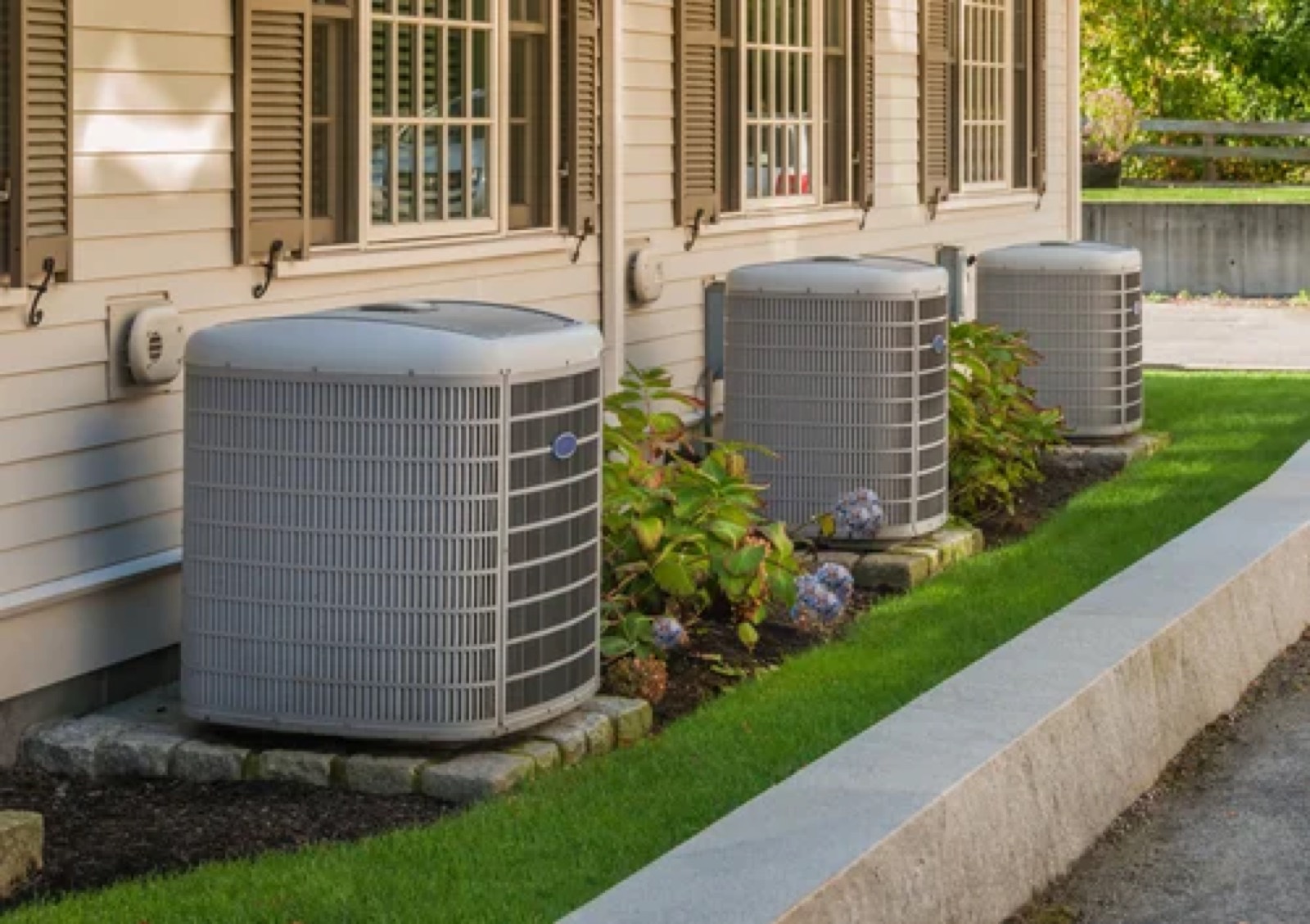
We run the system and measure the temperature drop between the air going into the return and the air coming out of the supply vents. A healthy split tells us the system is doing real work, not just running the fan. We also watch the outdoor condenser unit for short cycling, which is when the system starts and stops too often. Short cycling wears parts out and leaves humidity behind.
Condensate drainage
This is the part humidity makes critical. As the AC pulls water out of the air, that water has to go somewhere. It drips into a pan and drains away through a line. When the line clogs, which happens often with algae in warm weather, the pan overflows. We have found water damage on finished ceilings in Shadyside and Squirrel Hill that traced straight back to a blocked condensate line nobody had cleared in years.
Ductwork, insulation, and airflow
Damp air that sits in poorly insulated ducts can sweat and drip inside walls and ceilings. We look at accessible ductwork, check that supply and return are balanced, and note rooms with weak airflow. In a row house with a finished third floor, the top level is often the room that cooling forgets, and that is exactly where summer humidity collects.
Age and refrigerant type
We note the age of the equipment and the type of refrigerant. Older systems may use refrigerant that is being phased out, which matters for the cost of future repairs. We do not guess at remaining life, but we tell you what we see so you can plan.
Signs an AC System Is Struggling
You do not need tools to catch some of these. If a home you are touring feels cold but sticky, that is a clue the system is not removing moisture. Visible rust or heavy corrosion on the outdoor unit, a thick coat of dust on the indoor coil, and water stains under the air handler all point to a system that has not had much care. None of these are automatic deal breakers, but they are good questions to ask the seller.
What This Means If You Are Buying
A cooling system that cannot keep up with Pittsburgh humidity affects more than comfort. Damp air feeds mold, warps trim, and makes a basement smell like a basement. Knowing the condition of the AC before you close lets you plan repairs, ask for a credit, or simply walk in with your eyes open. We put what we find in a clear report with photos so you are not guessing about what matters.
Frequently Asked Questions
Does a home inspection test the air conditioner?
Yes, as long as conditions allow it. We run the system and measure how well it cools, check the drainage, and look at the equipment and accessible ductwork. We will tell you if weather kept us from running it safely.
Can you inspect the AC in cool weather?
Running a compressor when it is too cold outside can damage it, so on a chilly day we may not be able to start the system. We still inspect the equipment, the condition of the unit, and the drainage, and we note that the cooling test could not be completed.
How do I know if a Pittsburgh home's AC is undersized?
Undersized systems run almost constantly and still leave the house humid. During the inspection a weak temperature split and rooms that never reach the thermostat setting are common signs. We flag those so you can ask about the system size.
Should I worry about humidity in an older Pittsburgh home?
Not worry, but pay attention. Older homes often have retrofitted cooling and less insulation, which lets humidity build. A good inspection shows you where moisture is collecting so you can fix the cause instead of chasing the symptoms.
Related Reading
Schedule Your Inspection
Rocky Home Inspections serves Pittsburgh, Allegheny County, and Westmoreland County. We are InterNACHI certified, licensed, and insured, and we put every finding in a clear report you can actually use. Call or text 412-608-0160 or email rockyhomeinspections@gmail.com to book your inspection before your closing date.