Pittsburgh Fall Home Prep for Chimney and Heating
Quick answer: Pittsburgh heating systems work hard from October into April, and the chimney that vents them takes a beating from our freeze and thaw cycles. A fall check on the furnace or boiler and the chimney catches the common problems while there is still time and good weather to fix them. During an inspection we look at the heating equipment, the venting, and the chimney structure, and we tell you what needs attention before winter.
Why Fall Is the Right Time
Heating gear almost never fails in summer. It fails on the first truly cold night, which in Pittsburgh can land anytime from late October on. That is also the night every service company in Allegheny County has a full schedule. Getting ahead of it in September or early October means you find the problem on your own terms, not at 11 p.m. with a house full of cold rooms.
For anyone buying a home in the fall, this timing is even more useful. You want to know the condition of the heating system before you own it, not after the first heating bill or the first cold morning.
The Chimney Takes the Worst of Our Weather
Pittsburgh masonry chimneys live through a brutal cycle. Water soaks into brick and mortar, freezes overnight, expands, and thaws the next day. Repeat that a few hundred times each winter and you get spalling brick, crumbling mortar joints, and cracked crowns. Older neighborhoods like Dormont and Mt. Lebanon are full of beautiful masonry chimneys that quietly need attention up top where no one looks.
What we check on the chimney
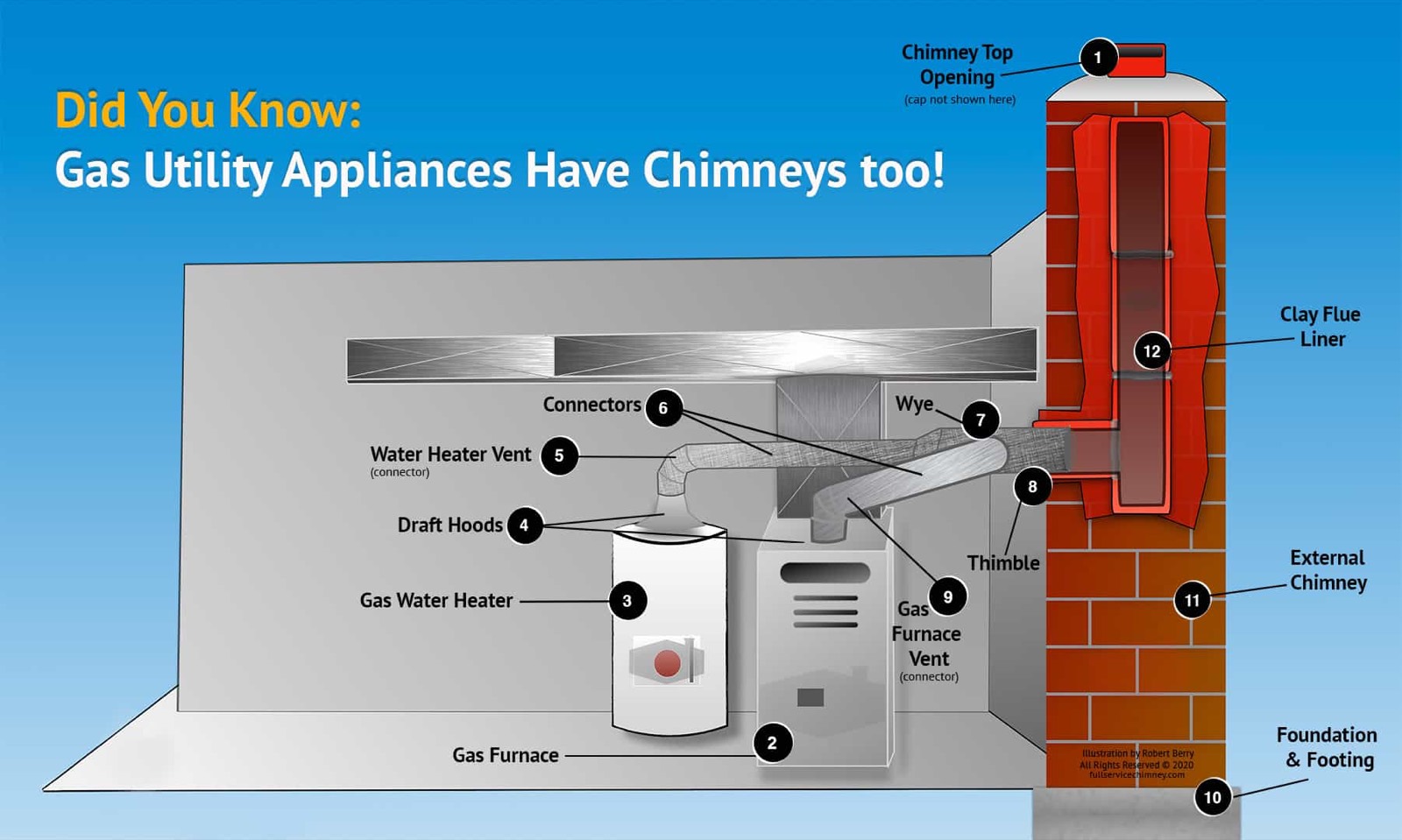
We look at the exterior masonry for spalling and loose mortar, the crown for cracks, and the cap for damage or a missing screen. Where the flue is visible we note its condition and whether the liner looks intact. A missing or damaged liner is a real safety issue because it is what keeps combustion gases inside the flue and out of your living space. For a full interior view of the flue, we point you to a certified chimney sweep who can run a camera down it.
The Heating System
Furnaces and boilers
Pittsburgh homes run a mix of forced air furnaces and older boilers feeding radiators. Both can last a long time with care, and both have a real end of life. We note the age, look for signs of rust, soot, or water around the unit, and check that it responds and produces heat. We also look at the flue connection where the unit vents, since a loose or corroded connection is both common and dangerous.
Distribution and draft
A heating system is only as good as how it moves heat through the house. We note rooms with weak airflow on forced air systems and check radiators on boiler systems for obvious problems. We also watch for backdraft signs, where exhaust spills back into the house instead of going up the flue. Good draft keeps carbon monoxide where it belongs.
Small Fall Tasks That Prevent Big Winter Bills
Even outside of an inspection, a few fall habits pay off. Replace the furnace filter so the system breathes. Make sure the area around the furnace or boiler is clear. Test your carbon monoxide detectors and replace batteries. Have the chimney cleaned if you burn wood. None of this is glamorous, but it is the difference between a quiet winter and an emergency call.
What This Means If You Are Buying
If you are closing on a Pittsburgh home in the fall, a heating and chimney check is not optional in my book. A furnace near the end of its life or a chimney liner that needs replacing changes your budget for the year ahead. We put the condition in writing with photos so you can plan repairs, ask the seller for a credit, or move forward knowing you are set for winter.
Frequently Asked Questions
When should I have my heating system checked in Pittsburgh?
Early fall is ideal, before the first cold snap and before service companies get busy. Checking in September or October gives you time to handle any repairs before you actually need the heat.
Does a home inspection include the chimney?
We inspect the parts of the chimney we can safely see, including the exterior masonry, the crown, the cap, and the flue where it is visible. For a full interior flue evaluation we recommend a certified chimney sweep with a camera.
What heating problems are common in older Pittsburgh homes?
Aging furnaces and boilers, cracked or missing chimney liners, poor draft, and radiators or ductwork that were never balanced. Many homes also have heating systems that are simply past their expected service life.
Is a cracked chimney crown a big deal?
It can be. The crown sheds water away from the masonry, and once it cracks, Pittsburgh freeze and thaw cycles widen the damage every winter. Catching it in fall is far cheaper than repairing water damage later.
Related Reading
- Why Pre-Listing Inspections Are Worth It in Allegheny County
- Maximize Savings with Pest Inspections in Westmoreland
Schedule Your Inspection
Rocky Home Inspections serves Pittsburgh, Allegheny County, and Westmoreland County. We are InterNACHI certified, licensed, and insured, and we give you a clear report you can act on before the cold sets in. Call or text 412-608-0160 or email rockyhomeinspections@gmail.com to get on the schedule.